
Managing Anxiety
Understanding anxiety and what you can do to help manage it
10/29/20252 min read
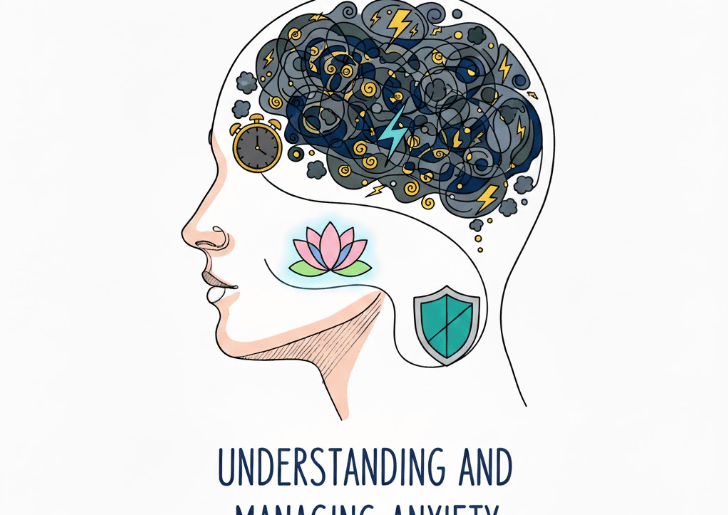
🚦 When Worry Takes the Wheel: Understanding Anxiety and Finding Your Balance
Have you ever felt a knot in your stomach that just won't loosen, or found your thoughts racing at 100 miles per hour over something relatively minor? We all experience stress, but when that stress morphs into a persistent, excessive worry about everyday situations, it may be anxiety.
Anxiety is more than just feeling temporarily stressed; it's a chronic pattern that can become debilitating, feeling like an internal alarm that never shuts off. Understanding this difference is the crucial first step toward finding your balance.
The Physical Manifestations of Anxiety
Because the mind and body are so deeply connected, anxiety doesn't just live in your head—it lives in your body, too. The constant state of "fight or flight" can manifest physically in alarming ways:
Rapid Heart Rate: Your heart pounds as if you've just run a race, a classic sign of your nervous system being on high alert.
Difficulty Breathing: Short, shallow breaths, or feeling like you can't get a full breath (sometimes mistaken for a panic attack).
Restlessness and Agitation: A constant need to move, tap, or fidget, making it difficult to sit still or relax.
Muscle Tension: Chronic clenching in the jaw, neck, or shoulders.
Gastrointestinal Distress: Frequent stomach aches, nausea, or changes in digestion.
If anxiety begins to interfere with your daily life—impacting your sleep, work performance, or relationships—it’s important to remember that you are not alone and effective treatments are available.
Finding Your Balance: Evidence-Based Coping Strategies
The good news is that you can learn to identify your triggers and practice evidence-based coping mechanisms to ease your grip on the wheel and take back control.
1. Identify and Challenge Your Triggers
Take time to track what situations, thoughts, or environments seem to spike your anxiety. Once identified, you can use techniques from Cognitive Behavioral Therapy (CBT) to challenge them.
The Three-Question Test: When an anxious thought hits, ask yourself:
Is this thought 100% true?
Is this thought helpful right now?
What is a more balanced, realistic way to look at this situation?
2. Embrace Mindfulness and Grounding
Mindfulness is a powerful tool against anxiety, which thrives in the past and the future. By focusing on the present, you interrupt the anxious cycle.
The 5-4-3-2-1 Technique: This simple grounding exercise brings you back to the immediate moment using your five senses:
5: Name five things you can see.
4: Name four things you can feel (the chair beneath you, your clothes).
3: Name three things you can hear.
2: Name two things you can smell.
1: Name one thing you can taste.
3. Move Your Body
Physical activity is one of the most effective ways to burn off the excess adrenaline that anxiety creates. You don't need a marathon; even a brisk, 15-minute walk can release tension and shift your focus.
Seeking Professional Support
While self-help strategies are valuable, sometimes the worry is too intense to manage alone. If anxiety is impacting your quality of life, reaching out to a mental health professional can provide you with personalized tools and support.
As a counsellor, I can help you implement these coping strategies, process the underlying emotions, and integrate techniques often used by psychologists, such as CBT and exposure-based practices, in a supportive setting.
For trusted, in-depth information on the symptoms, causes, and treatments for various anxiety disorders, you can refer to the National Institute of Mental Health (NIMH) as a reliable starting point for research.
You don't have to navigate this alone. If you're ready to step off the worry treadmill and find your path to balance, contact me today to schedule a session.
Contact
Phone
info@timdentcounselling.com
04 933 955 34
© 2025. All rights reserved.
address
Corinna Chambers, 36-38 Corinna Street, Woden