Psychologist v counsellor?
Explains the difference between a psychologist and a counsellor and how they work together
10/29/20253 min read
🤝 Bridging the Gap: How Counselling and Psychology Work Together for Your Mental Health
As a counsellor, one of the most common questions I receive is: "What's the difference between you and a psychologist, and which one do I need?"
It's a great question, because the truth is, we are often most effective when we work together. My practice frequently collaborates with excellent psychologists to ensure my clients receive the most comprehensive, holistic care possible, especially when dealing with complex challenges like anxiety, depression, ADHD, and relationship issues.
Here is an inside look at how this powerful partnership works, and how it translates into better outcomes for your well-being.
The Collaborative Model: Two Pillars of Support
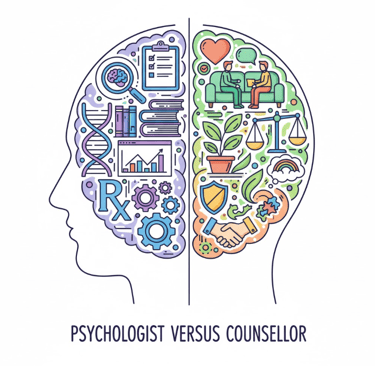
Think of your mental health journey as a complete puzzle. A psychologist and a counsellor each bring unique pieces to the table, and together, they form a clear picture of your path to wellness.
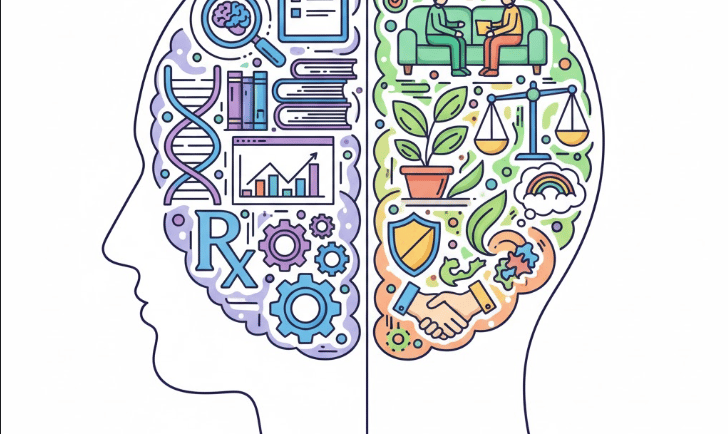
1. The Psychologist: Diagnosis, Treatment Planning, and Deeper Insights
Psychologists are highly trained experts in human behavior, cognition, and emotion. Their role often involves:
Formal Diagnosis: They are the professionals who can provide a formal diagnosis for conditions like Anxiety Disorders, Clinical Depression, and ADHD. This is a crucial first step for understanding your struggles.
Specialized Therapeutic Modalities: Psychologists often deliver structured, evidence-based therapies like Cognitive Behavioral Therapy (CBT), Dialectical Behavior Therapy (DBT), or Acceptance and Commitment Therapy (ACT) to address the core mechanisms of your condition.
In-Depth Assessment: They use specific testing and assessment tools to understand the complexity of your challenges, particularly useful in cases of adult ADHD where symptoms can be masked or overlap with other conditions.
2. The Counsellor (My Role): Practical Application, Emotional Support, and Relationship Dynamics
My role as your counsellor is to complement the psychologist’s work by focusing on the immediate impact of your condition on your daily life, emotions, and relationships. I help you translate theory into action.
Emotional Processing and Support: I provide a safe, non-judgmental space to process the feelings associated with a diagnosis or a life crisis. We work on emotional regulation and coping skills in real-time.
Focus on Relationships and Life Skills: Conditions like ADHD or chronic Depression severely impact relationships—with partners, family, and colleagues. I focus on communication skills, setting boundaries, and rebuilding relational trust damaged by these challenges.
Practical Strategy Implementation: If your psychologist recommends a new behavioral technique for managing anxiety, I help you create the practical daily steps to integrate it into your life. We work together on accountability and problem-solving specific roadblocks.
Case Study in Collaboration
To illustrate, consider a client struggling with newly diagnosed adult ADHD and co-occurring anxiety that is straining a marriage (relationships):
The ChallengePsychologist's FocusMy Focus (Counsellor)Anxiety triggered by tasks.Delivering CBT to reframe anxious thought patterns and beliefs.Practicing mindfulness techniques and developing a system for breaking down tasks to reduce immediate overwhelm.ADHD symptoms (time blindness).Psychoeducation on executive function and brain structure.Creating a customized visual schedule and teaching the partner how to offer "scaffolding" support without nagging, improving the relationship.Chronic Depression and low energy.Exploring underlying trauma or mood disorder drivers.Validating feelings, setting small, achievable weekly goals, and creating an "anti-depression action plan" to counter isolation.
The result? The client receives comprehensive care. The psychologist addresses the root cause and cognitive framework, while I address the emotional toll and practical impact on their life and relationships.
Why You Benefit from This Approach
When your mental health team works together, you gain several key advantages:
Seamless Care: No more feeling like you have to explain the same thing twice. With your permission, our shared understanding allows us to offer consistent strategies.
Holistic Progress: You don't just learn why you have anxiety or ADHD; you learn how to live a rich, functioning life despite those challenges.
Faster Results: By focusing on both the deep clinical work and the practical application, you often move toward your goals more efficiently.
If you are dealing with anxiety, depression, ADHD, or struggling with your relationships, know that help is available in a collaborative and powerful way. Reaching out is the first step toward building the strong mental foundation you deserve.
Are you ready to start building your foundation for better mental health?
If you believe you need formal testing or a clinical diagnosis for a condition like ADHD or severe Depression, start by reaching out to a licensed psychologist.
If you are looking for emotional support, help with practical coping strategies, or need to improve your relationships, contact me today to schedule a first session.
I am happy to collaborate with your current or future psychologist to ensure you receive the very best in combined care.
Keywords (for SEO): anxiety, depression, ADHD, relationships, mental health, counsellor, psychologist, therapy, collaboration.
Contact
Phone
info@timdentcounselling.com
04 933 955 34
© 2025. All rights reserved.
address
Corinna Chambers, 36-38 Corinna Street, Woden